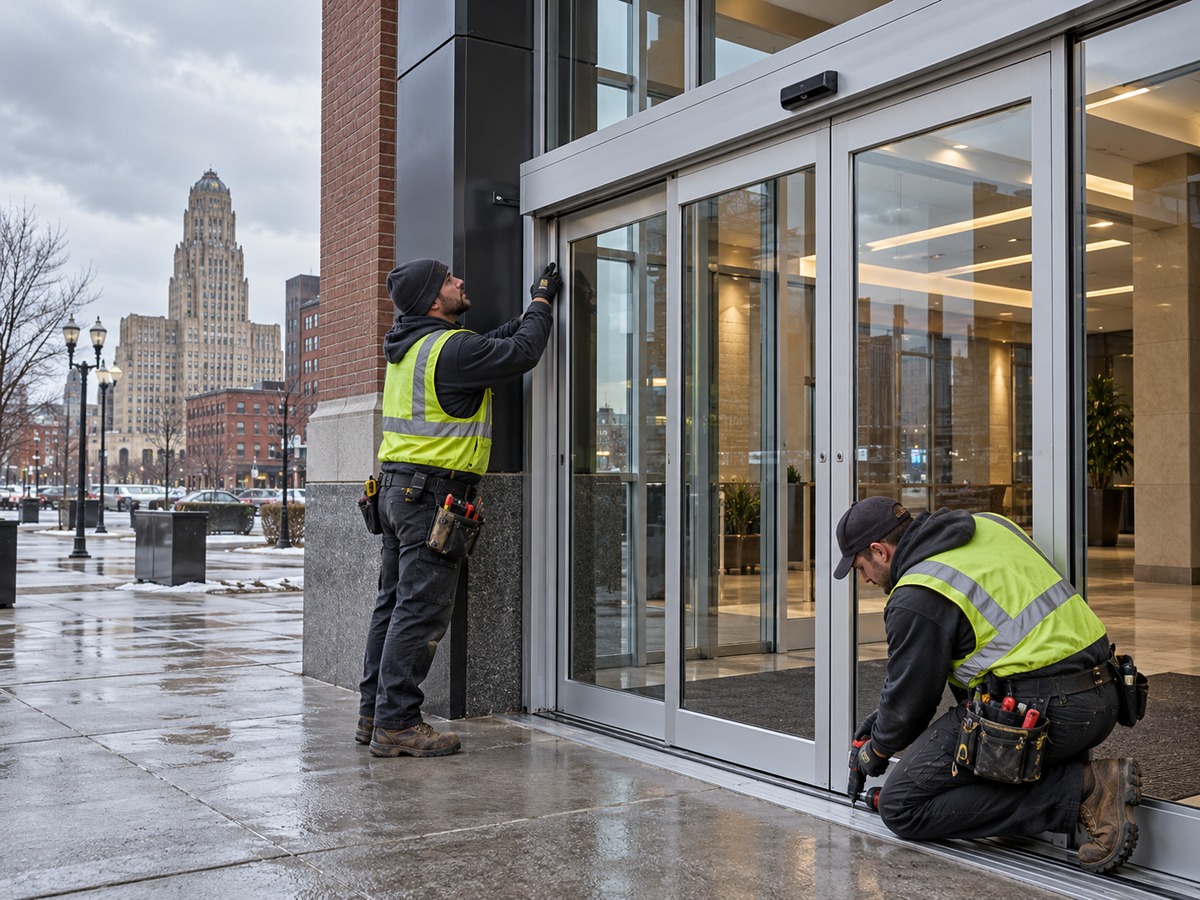
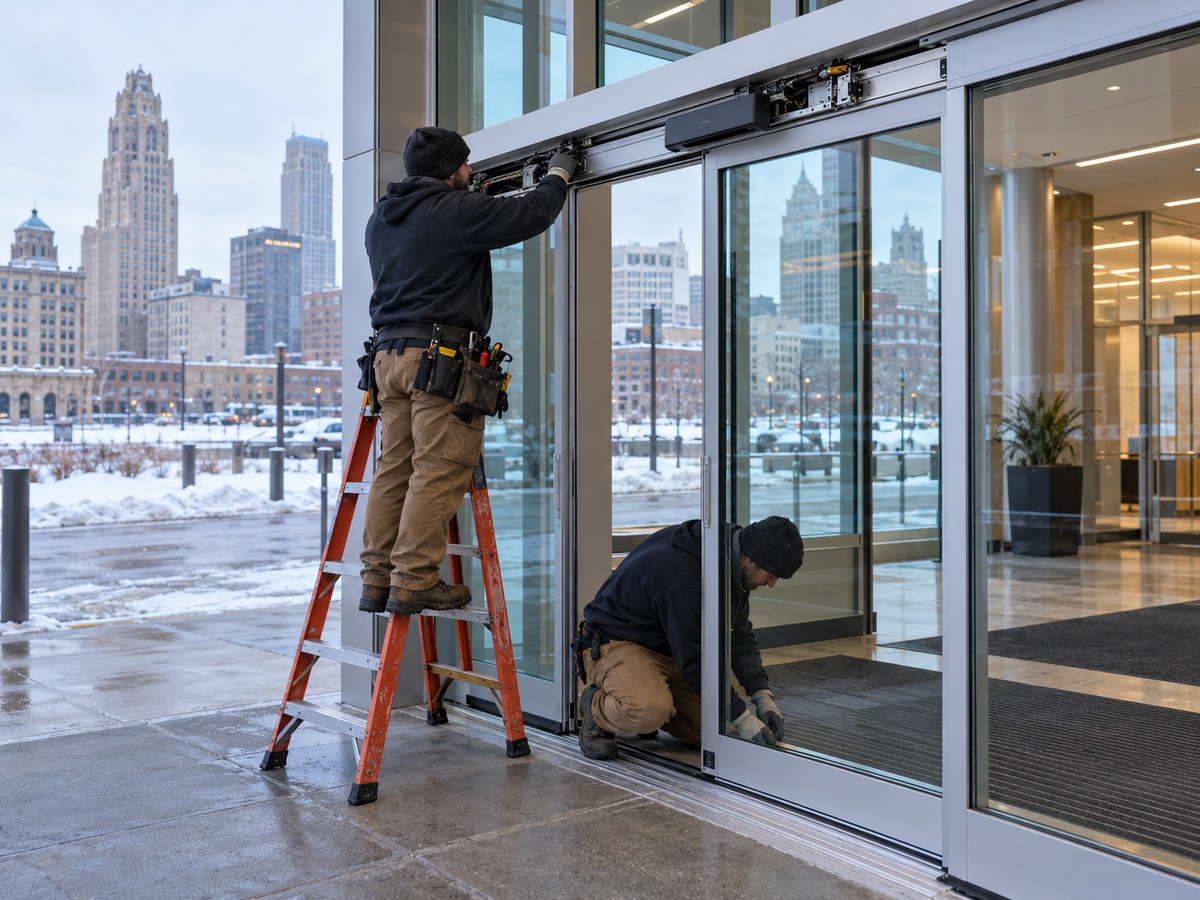
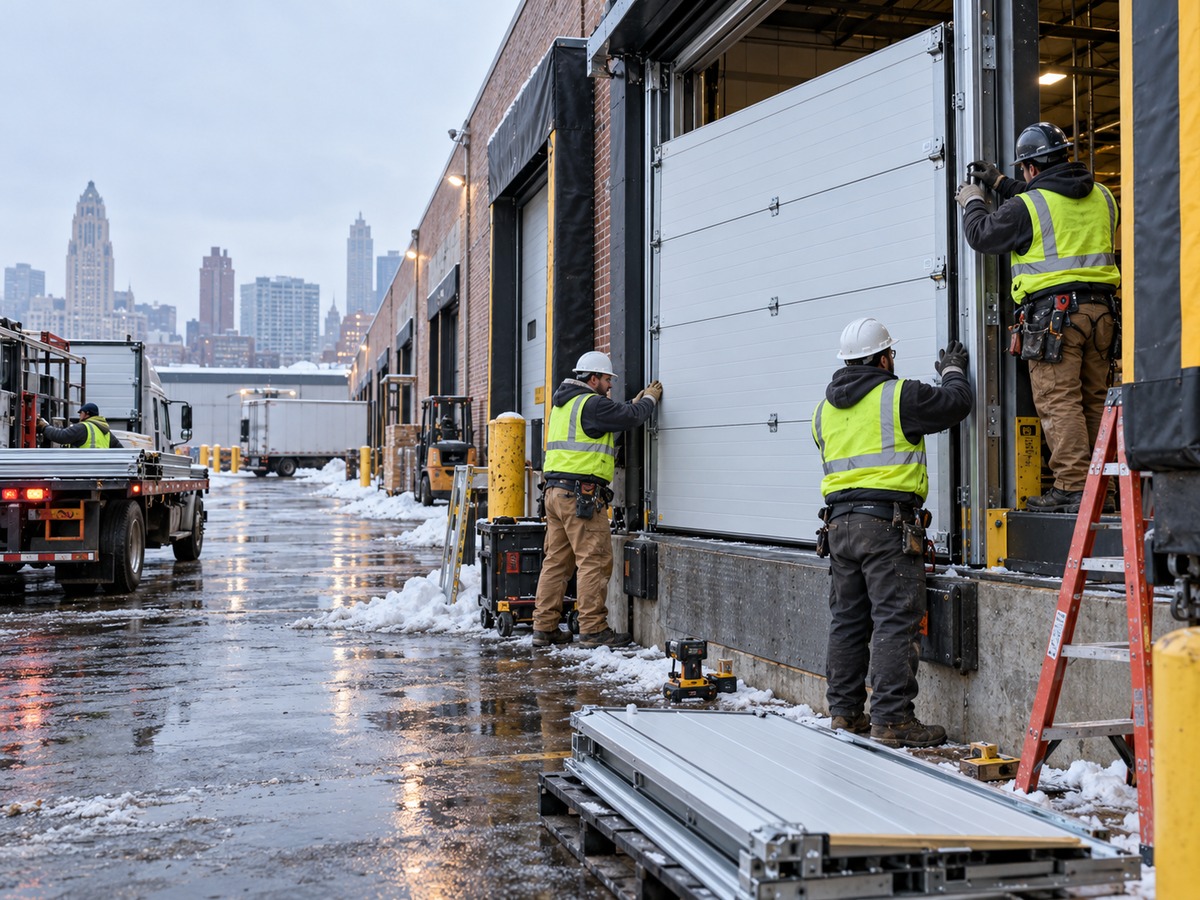
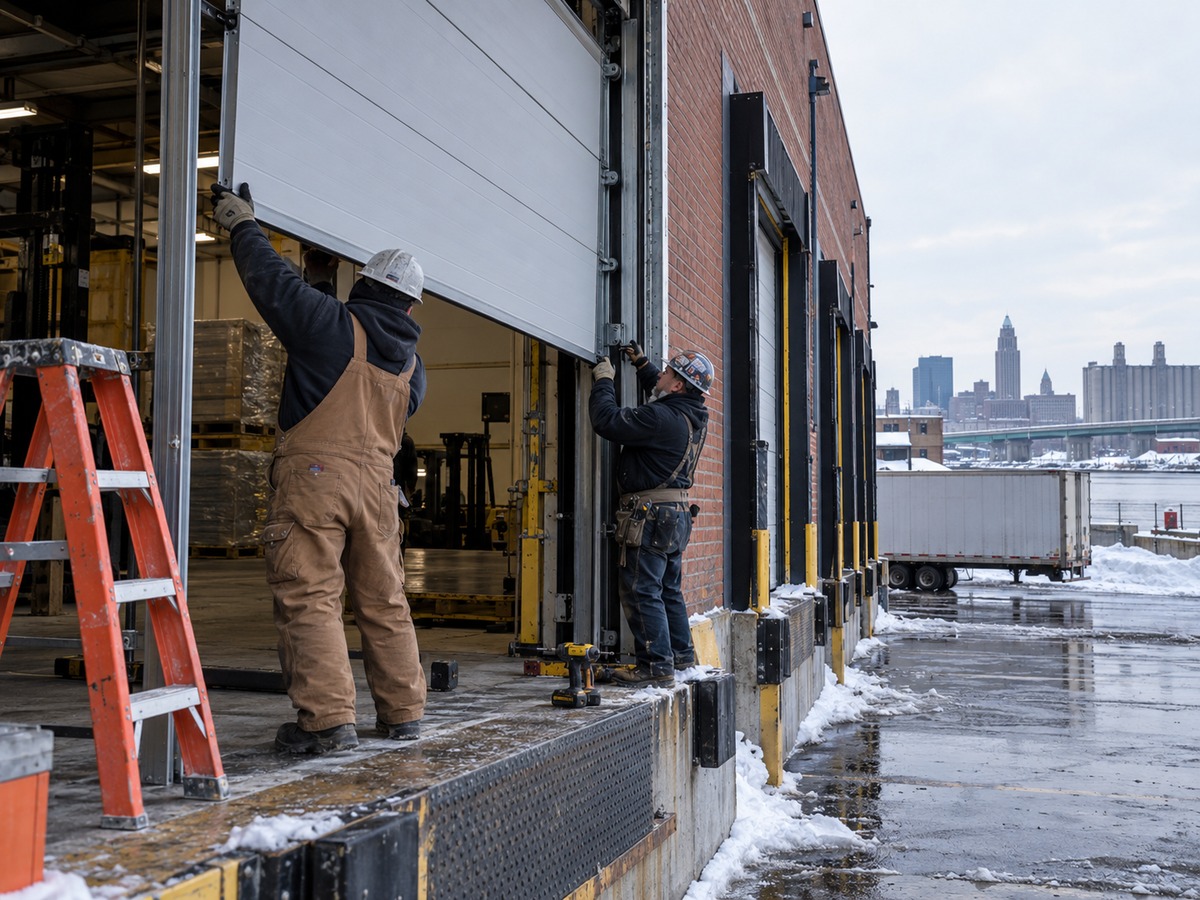
A dock leveler failing in the middle of a shift is one of the most disruptive things that can happen at a Buffalo loading dock. The leveler is the height-adjustable platform that bridges the trailer to the warehouse floor, and when it will not raise, lower, or hold trailer height, a forklift has no safe way on or off the truck. Shipping and receiving stop at that bay, and a line of trailers waits. The facility's question is immediate: what actually fixes it, and how fast. A-24 Hour Door National answers that around the clock across Buffalo and Western New York, and the answer starts with a real diagnosis rather than a guess.
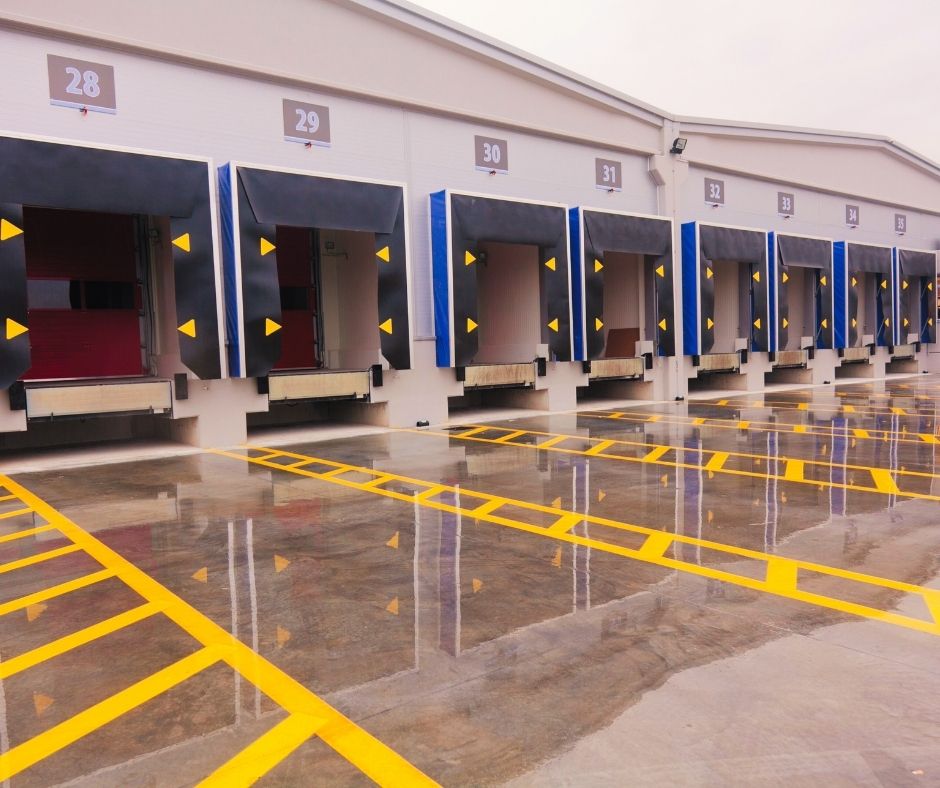
A dock leveler failure halts the bay because nothing else can do its job. Without a working leveler, the gap and the height difference between the trailer bed and the dock floor leave a forklift no safe path across, and loading or unloading simply cannot proceed. Unlike a slow door or a worn seal, a down leveler is not a nuisance to work around; it is a hard stop. For a Buffalo distribution center, manufacturer, or food-distribution facility moving freight on a schedule, that stop ripples out fast into waiting trucks, detention charges, and backed-up work, which is why a failed leveler is treated as a dock-uptime emergency.
The safety dimension raises the stakes further. A leveler that drifts down, drops, or will not hold height is not just an operational problem but a hazard, because the platform is supposed to stay put under the weight of a loaded forklift. A hold-down or velocity fuse that is failing can let the platform move when it should not, which is exactly the free-fall risk those safety parts exist to prevent. Under OSHA loading-dock expectations and the ANSI MH30.1 dock-leveler safety standard, a leveler that is behaving unpredictably needs to be taken out of service and repaired, not nursed along. That combination of stopped work and safety risk is why the response has to be fast and correct.
A dock leveler is the height-adjustable platform that bridges the trailer to the floor, and when it fails, a forklift has no safe way on or off the trailer. The bay stops entirely, which is why a failed leveler is a dock-uptime emergency rather than a minor repair that can wait.
A dock leveler that drifts, leaks, or will not hold height usually fails at the hydraulic cylinder and power unit, the springs on a mechanical unit, the hold-down, or the lip and lip hinge. Knowing the common failure points lets a technician diagnose the unit quickly and carry the right stocked parts.
A dock leveler's hold-down and velocity fuse are safety parts that stop the platform from free-falling if a trailer pulls away early. A leveler that drifts or drops can signal a hold-down problem, which is both an operational fault and a safety issue under OSHA and ANSI MH30.1 dock-safety expectations.
What fixes a dead leveler depends entirely on what failed, so the repair starts with testing, not replacing parts on a hunch. A dock leveler is a system of hydraulic, mechanical, and electrical parts, and the symptom points toward the culprit. A hydraulic unit that drifts down or leaks fluid usually traces to the cylinder, the power unit or pump, or the hold-down. A mechanical, spring-operated unit that will not return or hold points to the springs or the hold-down. A unit that will not raise at all may have a failed pump or motor, a control-panel or electrical fault, or a hydraulic problem. A lip that will not extend or retract points to the lip, the lip hinge, or its keepers.
A-24's technicians test the hydraulic, mechanical, and electrical systems to isolate the failed component before repairing or replacing it, which is the difference between a fix that holds and one that fails again next week. Because the common failure points are well understood, the trucks carry the parts that fail most, so a cylinder seal, a spring, a hold-down, or a lip repair can often be completed on the first visit rather than waiting on a supply run. For faults that can be identified over the phone, A-24's technicians can frequently talk a facility through the situation before the truck arrives, which both speeds the repair and sometimes keeps the bay safely usable in the meantime.
Most dock leveler repairs on a Buffalo dock come down to a familiar set of components, and knowing them explains what a technician is doing. On a hydraulic leveler, the cylinder, the power unit and pump, and the hoses and valves are the heart of the system, and a leak or a drift usually lives there. The hold-down assembly, which controls how the platform settles and guards against free-fall, is a frequent repair across both hydraulic and mechanical units. The lip and lip hinge, which extend to bridge onto the trailer, wear and bend with use and are a common fix. On mechanical units, the springs that raise and hold the platform fatigue and break. The control panel and electrical parts fail on powered units, and the deck itself can crack or bend under years of loaded forklift traffic.
Each of these is a specific, repairable failure, and the repair matches the component rather than coating over the symptom. A-24 Hour Door National repairs hydraulic, mechanical, and air-powered levelers across the major brands found on Buffalo docks, and the goal on every call is to restore the leveler to safe operation through its full working range, confirming it sits level at trailer height and holds under load before the bay goes back to work. That is what actually fixes a down leveler: a correct diagnosis, the right part, and a test under real conditions, not a quick adjustment that leaves the underlying failure in place.
Sometimes the honest answer after testing is that the leveler should be replaced rather than repaired, and a straight read saves a facility from pouring money into a unit at the end of its life. A single failed component on an otherwise sound leveler is a clear repair. A unit that has failed repeatedly, that has a cracked or bent deck, or whose capacity no longer matches the loads the dock now handles is a different case, and continued repairs on it become a poor value. A-24 weighs the age, the capacity, the repair history, and the cost of the fix against a replacement, and gives the facility a direct recommendation with the trade-offs laid out rather than defaulting to the bigger job.
This matters because a dock leveler is a long-lived piece of equipment when it is sound, and most failures are genuine repairs. The repair-first read means a facility is not sold a new leveler over a failed cylinder seal or a broken spring, while a unit that truly warrants replacement is identified honestly so the facility is not trapped in a cycle of repeated calls. Where replacement is the answer, A-24 handles dock leveler installation as well, and because the company works the whole dock, the leveler, the door, and the seals, the replacement integrates with the rest of the opening.
The mid-shift failure that halts a bay is usually preventable, and the prevention is scheduled maintenance. A dock leveler on a busy Buffalo dock cycles constantly under heavy loads, and the hydraulics or springs, the lip and hinge, the hold-down, and the safety and toe-guard components all wear over time. A set maintenance interval checks these parts and confirms the unit meets its ANSI and OSHA safety requirements, catching a weakening spring, a seeping cylinder, or a worn hold-down before it fails during a shift. For a high-cycle dock, that interval is the difference between a planned service visit and an emergency that stops shipping at the worst moment.
For a facility manager running several docks, carrying that maintenance with the company that repairs the levelers means one call covers every unit, and the same AAADM-certified technicians who know the equipment keep it running. A-24 Hour Door National pairs that scheduled maintenance with the 24/7 emergency response, so the dock is both maintained to avoid failures and covered when one happens anyway. That is what keeps a Buffalo loading bay moving through the year rather than lurching from one breakdown to the next.
Beyond the lost throughput, there is a safety reason to repair a failed leveler fast rather than work around it. A dock leveler that drifts, drops, or will not hold trailer height is unsafe to use, because a forklift crossing a platform that shifts under load risks a fall from the dock, a tipped lift, or a crushing injury, and a worker on an unstable platform is exposed to the same hazards. The temptation on a busy dock is to improvise, to prop the leveler or bridge the gap some other way and keep loading, but that improvisation is exactly how dock injuries happen. Under OSHA loading-dock expectations and the ANSI MH30.1 safety standard, a leveler behaving unpredictably should be taken out of service until it is repaired. A fast professional repair is what lets the bay go back to work safely rather than running on a workaround, and A-24's same-day response is built around getting the dock back to safe operation quickly so the pressure to improvise never takes hold.
When a dock leveler quits mid-shift, what fixes it is a fast response, a real diagnosis of the hydraulic, mechanical, and electrical parts, and the right stocked part installed and tested under load. Facilities across Buffalo, Cheektowaga, Tonawanda, West Seneca, and Erie County can reach A-24 Hour Door National for 24/7 same-day dock leveler repair, over-the-phone diagnosis to cut downtime, and an honest repair-or-replace read from AAADM-certified technicians. To get a down dock leveler diagnosed and repaired, call (716) 894-2000 or visit a24hour.biz/dock-leveler-repair-buffalo-ny.
Redirect to:
A-24 Hour Door answers 24/7 and provides same-day service in most cases, with stocked trucks that carry the common springs, rollers, cables, and operator parts to finish many repairs in one visit. An exact timeframe depends on the failure and the parts, so an arrival time is not promised. Call (716) 894-2000 for dispatch.
Cold thickens grease and operator fluid, road salt corrodes tracks and the bottom bar, ice builds in guides and along thresholds, and wind off Lake Erie loads the door face. These conditions stress springs, rollers, and operators, which is why fall service and winter-aware repair matter in Buffalo. A-24 accounts for this pattern on every call.