
How Much Is Bail for Drug Trafficking in North Carolina
In North Carolina, a drug trafficking arrest often comes with a bond number that shocks families. That shock is common in Reidsville, NC, where calls come in from Downtown Reidsville, the North Scales St Corridor, the Richardson Dr area, and neighborhoods near Lake Reidsville. The first question is usually practical, not legal. How much is the bail. The second question follows fast. How does a family actually get someone released from the Rockingham County Detention Center in Wentworth.
This article explains what sets bail amounts in trafficking cases, what families often see in Rockingham County, and what steps affect release time. It also covers details that show up in higher-stakes cases, including PWISD, a Nebbia hearing, asset seizure, detention center holds, and release conditions like electronic monitoring. The focus stays on clear language. If a legal term appears, it is explained in plain English.
Need bail in Rockingham County? Apex Bail Bonds answers 24/7 at 336-394-8890. Apex Bail Bonds charges the state-regulated premium (up to 15% of the bond), offers flexible payment options for qualified clients, and moves fast. Many clients are released within 1 to 3 hours after the bond is accepted by the jail, though timing can vary.
Apex Bail Bonds
Reidsville, NC 27320, US
Phone: (336) 394-8890
Website: https://www.apexbailbond.com/
What bail means in North Carolina
Bail is a release decision made while a case is pending. It is not a finding of guilt or innocence. Bail is meant to make sure the person returns to court. In North Carolina, bail is usually set quickly after arrest. The case begins inside the North Carolina General Court of Justice system. The initial number often comes from a magistrate, then a judge may review it later.
In Rockingham County, a trafficking arrest often starts with local law enforcement, including the Reidsville Police Department. The person is taken for booking at the Rockingham County Detention Center in Wentworth. A magistrate sets conditions and a bond amount. Families hear the number and assume they must pay the full amount. That is a common misunderstanding.
When the court allows it, a surety bond is one way to secure release. A surety bond is posted by a licensed bail agent. It is a promise to the court that the person will appear for the court appearance date. The agent takes on financial risk. That is why there is paperwork, a premium, and sometimes collateral.
Why drug trafficking bonds tend to be high
Drug trafficking charges in North Carolina are usually felonies. They often involve controlled substances in larger quantities. The court considers the potential penalty, and trafficking penalties can include mandatory minimum sentencing. A mandatory minimum is a required minimum term that applies if a person is convicted. That makes the case feel heavier to the court early on.

Trafficking cases also tend to come with added facts that concern the court. The court may worry about risk of flight, the chance of new charges, or links to distribution activity. Even when a person has deep ties in Reidsville, a trafficking charge can still lead to a high bond amount because of how the law treats the offense.
Families also need to know that trafficking cases often include related charges. One common one is possession with intent to sell or deliver, often written as PWISD. PWISD is different from simple possession. It suggests the state believes the drugs were meant for sale or distribution. When PWISD sits beside trafficking, bond decisions can become stricter.
Typical bail ranges for drug trafficking in North Carolina
There is no single standard bail amount for trafficking in North Carolina. The bond depends on the facts, the person's record, and the court's risk concerns. That said, families often see certain patterns in real life, especially in Rockingham County.
It is common for trafficking bonds to be in the tens of thousands. It is also common for them to move into the hundreds of thousands. Many families in Reidsville and Eden report bonds like $50,000, $100,000, $200,000, or $250,000. In more severe cases, bail may be higher. The type of drug and the alleged weight often drive this range. Prior record can drive it further.
Sometimes the court sets a secured bond. A secured bond usually means cash or property must be posted with the clerk. Other times the court allows a surety bond through a bail agent. Families usually hope for the surety option because it is the only realistic way to act fast without full cash available.
What factors push a trafficking bond up or down
When families search for drug trafficking bail bonds in Reidsville NC, they are trying to predict the bond amount. Prediction is hard without facts. Still, there are known factors that strongly influence the number.
The first factor is the controlled substance type and alleged weight. The second is whether the defendant has prior felonies or a record of missing court. The third is whether the arrest includes related charges like PWISD. The fourth is whether there is a probation issue or an existing warrant. The fifth is whether the person has stable ties in the area, like a long-term address in Reidsville 27320, a job in Rockingham County, or family support near Wentworth or Madison.
Magistrates also look at practical risk. A person with no local anchor may be seen as more likely to leave. A person with strong local ties may be seen as more stable. That is why families should not assume that “serious charge” automatically means “no chance.” It often means “more structure,” “more paperwork,” and a higher bond.
What a bail bond costs in North Carolina
North Carolina bail bond premiums are regulated by the North Carolina Department of Insurance. This matters because it sets a ceiling. It limits what the premium can be. Many families are told “up to 15 percent” because that is a common maximum premium level.
A simple way to understand it is this. If the bond is $50,000, a premium up to $7,500 may apply. If the bond is $100,000, a premium up to $15,000 may apply. If the bond is $250,000, a premium up to $37,500 may apply. The premium is the fee paid for the surety bond service. It is not returned, because the bail agent remains responsible for the full bond until the court releases it at the end of the case.
In trafficking cases, families also need to plan for collateral risk. Large bond work is not only about the premium. It is also about what the agent needs to secure the bond. That can involve collateral and a promissory note. It can also involve a co-signer, also called an indemnitor.
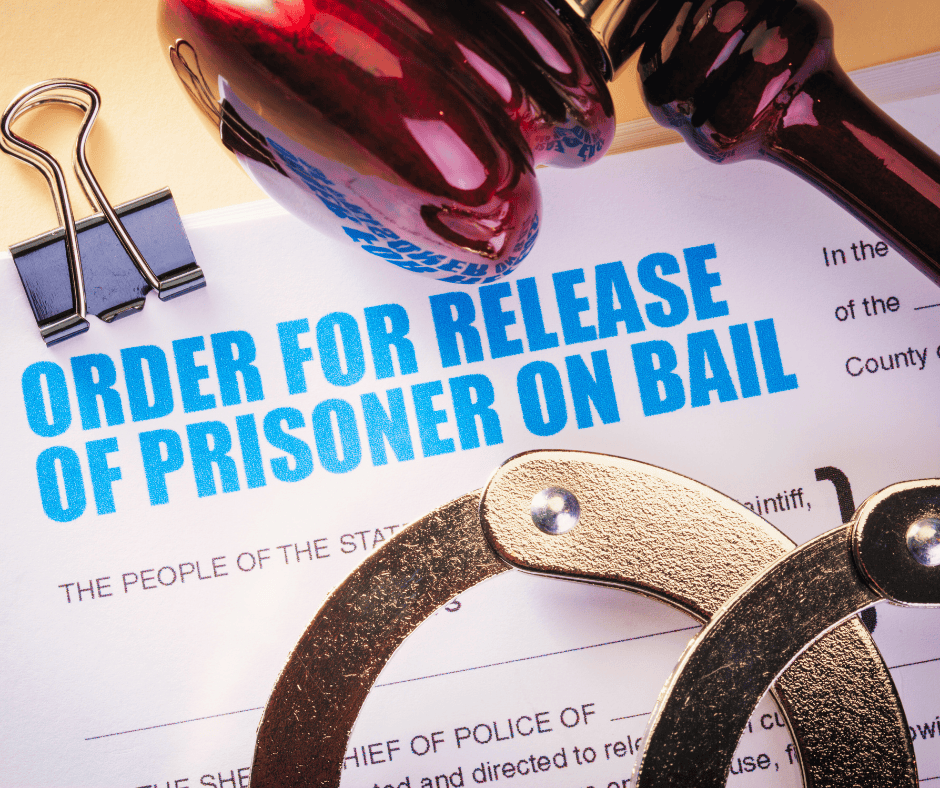
Indemnitor, co-signer, and collateral explained in plain language
In most trafficking cases, the person in jail is not the one handling the bond terms. A family member or trusted friend does. That person becomes the indemnitor. The indemnitor signs the bail bond application and agrees to the terms. The indemnitor may also sign a promissory note. The promissory note is a written promise to pay according to agreed terms, including payment plan terms if approved.
Collateral is property pledged to secure the bond. Collateral is often discussed in trafficking cases because the bond amounts can be large. Common collateral can include real estate or a vehicle. The purpose is simple. If the defendant fails to appear, the court can forfeit the bond. The bail agent may then seek repayment. Collateral reduces that risk.
Families sometimes feel insulted when collateral comes up. In reality, it is a risk-management step. A trafficking bond can put a bail agent on the hook for a very large amount. That is why some agencies avoid large bonds. Large bonds require liquidity and careful underwriting.
Apex Bail Bonds is known locally as a large bond specialist. That matters when other agents decline or delay. It matters most in felony bail bonds and trafficking cases where the bond is high and time is short.
What “Nebbia hearing” means and when it appears
A Nebbia hearing is a court process that checks the source of funds used for bail. It is used in some high-stakes cases. The goal is to confirm the bail money is legitimate. This can be part of trafficking cases that raise concerns about drug proceeds funding release.
When a Nebbia hearing is required, release can slow down. Families may need to provide documentation. This is where confusion can add delay. The family may have money available, but the court may still require proof of where it came from. A licensed bail agent can explain what the court usually wants and how to avoid mistakes that stretch time.
It helps families to treat a Nebbia hearing like a paperwork test. The court is not asking for feelings. The court is asking for proof. That is why clear communication matters from the first call.
Asset seizure and why it changes a family's plan
Trafficking cases sometimes involve asset seizure. Cash may be taken. A vehicle may be seized. A phone may be held. A family may assume they can use a vehicle as collateral, then learn the vehicle is linked to the case and is not available. That can happen in a traffic stop case, where the vehicle becomes part of evidence or forfeiture review.
This is one reason a trafficking bond conversation should be specific. A bail agent needs to know whether the family's planned collateral is clean and available. A quick call that includes these details can prevent a long back-and-forth later.
How the Rockingham County intake process affects release time
Families often focus on money, because money feels like the barrier. In practice, time is often the bigger barrier. Release does not happen the moment a bond is approved. It happens after the detention center completes its steps.
At the Rockingham County Detention Center in Wentworth, the jail must confirm booking, confirm bond paperwork, and complete release processing. The jail's pace can change based on staffing and call volume. Late night arrests can pile up. Weekends can add delay. Shift changes can add delay.
Many clients are released within 1 to 3 hours after the bond is accepted. Sometimes it takes longer. A family should treat the timeline as a range, not a promise. Clear expectations reduce panic during the wait.
Local proximity helps in real life. A bail agent who works Rockingham County regularly understands where delays tend to happen and what information the jail needs. That local knowledge can shorten the time between “bond posted” and “walking out.”
Release conditions in trafficking cases
Trafficking release conditions can be stricter than families expect. The court may order electronic monitoring. This may involve an ankle monitor. It may involve GPS tracking software. The court may limit travel, require check-ins, and require drug testing kits in some cases. The goal is compliance.
Families need to know a key reality. Release is conditional. If the defendant violates conditions, the court can revoke bond. That can result in a detention center hold and a return to custody. That is why the bail process includes more than money. It includes structure.
Apex Bail Bonds can facilitate setup steps when electronic monitoring is required. That keeps the release terms moving. It also helps the family understand what compliance looks like day to day.
Federal trafficking cases and federal bail bonds
Some trafficking cases remain in state court. Some move into federal court. Federal cases follow different procedures. Federal bail bonds can involve more scrutiny. Release is not automatic. The court may require more disclosure and may place tighter conditions. In some federal cases, detention is ordered without bond.
Families in Reidsville, Eden, and Wentworth sometimes hear the word “federal” and assume the worst. The right first step is to confirm the case level. Booking paperwork and court records clarify it. A licensed bail agent can explain the difference and set expectations.
Local search intent in Reidsville and why it matters
People searching for “drug trafficking bail” are rarely casual. The search tends to come from a family member in crisis. In Reidsville, the search often includes “near Rockingham County Detention Center,” “bail bonds near Wentworth,” or “Reidsville bail bonds 24/7.” Some searches mention local areas like Downtown Reidsville or North Scales Street. Others come from nearby areas like Eden 27288 and 27289, or from Wentworth 27375.
Families also search from outside the county. A parent in Guilford County may be trying to help a child arrested in Rockingham County. A spouse in Caswell County may need help quickly. Even people in Stokes County call when the arrest happened in Reidsville or when the person is housed in Wentworth.
Local knowledge matters because bail is local in practice. The jail is local. The court schedule is local. The courthouse is local. The Rockingham County Courthouse is not the same as a courthouse in another county. The small procedural differences matter when time is tight.
A short case pattern families often see
A call comes in around midnight. The arrest is for trafficking. The bond is set at $100,000 or higher. The family lives near Lake Reidsville. They do not have $100,000. They do have a job, a home, and a strong desire to bring their loved one home so the person can meet with a criminal defense attorney.
The family's biggest risk is confusion. Confusion leads to delays. The family may not have the booking number. They may not know whether there is a hold. They may not know whether the bond is secured or surety. They may not know whether a Nebbia hearing is required. Each unknown can slow the process.
This is where a calm, skilled bail agent changes the night. The agent confirms the key facts with the detention center. The agent explains the premium payment rules, collateral needs, and what the indemnitor must sign. The agent also explains what “failure to appear” means. If a defendant misses a court appearance date, the bond can be forfeited. That can create new legal problems and financial risk for the co-signer.
What families can do to reduce delay
In trafficking cases, speed comes from accuracy. A family does not need to speak like a lawyer. A family needs to share the key information that moves the bond forward.
- The defendant's full legal name and date of birth
- Where the defendant is being held, usually the Rockingham County Detention Center in Wentworth
- The bond amount and bond type if known
- The indemnitor's name and contact details for the bail bond application
- Any known holds, probation issues, or prior failure to appear history
This information helps the bail agent confirm facts quickly. It also helps avoid repeated calls that do not move the release forward. In real life, families in Reidsville 27320 and 27323 often get faster progress when they share these basics early.
Why some agents avoid large bonds
Large bonds create large risk. If a bond is $250,000, the bail agent may be responsible for that full amount if the defendant fails to appear and the bond is forfeited. That is why collateral and co-signer terms can be strict. It is also why some agencies decline large bonds. They may not have the liquidity, or they may not want the risk profile of trafficking cases.
Apex Bail Bonds takes large bonds seriously and handles them with a structured process. Apex Bail Bonds focuses on felony bail bonds, surety bonds, and trafficking cases where the bond amount is high. This is why many local families call Apex when they need a fast answer and a realistic plan.
Oversight and professional standards in North Carolina
Bail bonding in North Carolina is regulated. The North Carolina Department of Insurance oversees key licensing and compliance expectations. Families should feel comfortable asking if an agent is licensed. That question is not rude. It is smart.
Professional bodies also matter. The Professional Bail Agents of the United States, also known as PBUS, is a recognized organization within the industry. In North Carolina, the North Carolina Bail Agents Association, also known as NCBAA, is part of the professional environment. These entities matter because trafficking cases can carry higher financial stakes and greater stress for families.
Apex Bail Bonds emphasizes compliance, confidentiality, and accurate paperwork. That is not a slogan. It is the difference between a smooth release and a delay that costs hours.
How Apex Bail Bonds supports trafficking cases in Reidsville
People do not search “bail bonds for drug trafficking” because they want options. They search because they need action. They also need discretion. Serious felony allegations can harm reputations and jobs even before a case is resolved.
Apex Bail Bonds provides 24/7 availability and a confidential process for families in Reidsville and surrounding areas. The company serves Reidsville (27320, 27323), Wentworth (27375), Eden (27288, 27289), Madison (27025), and Mayodan (27027). Neighboring service areas include Rockingham County, Caswell County, Guilford County, and Stokes County.
Local landmarks matter in a crisis because families anchor themselves by place. Calls come from homes near Annie Penn Hospital, from families who just left the Rockingham County Courthouse, and from parents pacing outside the detention center in Wentworth. The stress looks different in each household, but the need is the same. The household wants clear steps and a realistic timeline.
What “fastest jail release” really means
Families hear “fast release” and assume a guarantee. A responsible bail agent does not promise what the jail controls. The jail controls release processing. The bail agent controls how quickly the bond is prepared, posted, and accepted. This is why speed is still meaningful. When the paperwork is clean and the bond is posted quickly, the jail can start processing sooner.
Many releases happen within 1 to 3 hours after bond acceptance. Sometimes it takes longer. A busy night, a staffing gap, or a hold can extend the timeline. A good bail agent explains the likely range and stays responsive so families are not left guessing.
When a call matters most
In trafficking cases, waiting often makes things worse. A family may wait to see if the bond is reduced. They may wait for a friend to call back. Meanwhile, the person stays in custody, and confusion grows. A short consultation can clear key questions quickly, including whether the bond is surety, whether collateral is likely, and whether special review like a Nebbia hearing is possible.
For families searching “drug trafficking bail bonds Reidsville NC,” the fastest path to clarity is usually a call with the basic booking details. Apex Bail Bonds answers 24/7 at 336-394-8890. The conversation is confidential. It focuses on what can be done now and what needs to happen next.
A final reality check that helps families make decisions
A trafficking bond can be high, but high does not always mean impossible. It means the family needs a clear plan, a licensed agent, and accurate paperwork. It also means the defendant must take compliance seriously. Missing court is not a small mistake. It can create a new warrant, new charges, and bond forfeiture risk for the co-signer.
In Rockingham County, the system moves on its schedule. Families can still control a lot by acting early, staying organized, and working with a bail agent who understands local intake, local court flow, and large bond structure.
Need bail in Rockingham County? Call 336-394-8890 anytime. Apex Bail Bonds serves Reidsville, Eden, Wentworth, and surrounding areas with state-regulated premiums, payment plans for qualified clients, and experienced handling of drug trafficking and domestic violence bail bonds.