Why a Full Detail Comes First for Tint, Ceramic, and Protection

Drivers who care about their vehicles often invest in ceramic coating, paint protection film, or window tint, and then wonder why the results do not always last the way they expected. The answer is usually what happened, or did not happen, before the protective layer went on. Car detailing is the foundation under all of it, because every coating, film, and even the cleanest tint job performs best on a fully prepared surface. For drivers across Louisville and the broader Kentucky and Southern Indiana region, understanding why a detail comes first explains how to get the most out of any protection.

Sun Tint handles car detailing, ceramic coating, paint protection film, and window tinting in-shop under one roof, which is more than a convenience. It means the preparation that protection depends on is done correctly and carried straight into the protective work by the same team. That continuity, from a decontaminated surface into a lasting layer, is the practical case for treating detailing as the first step rather than an afterthought.

Why Protection Needs a Clean Surface

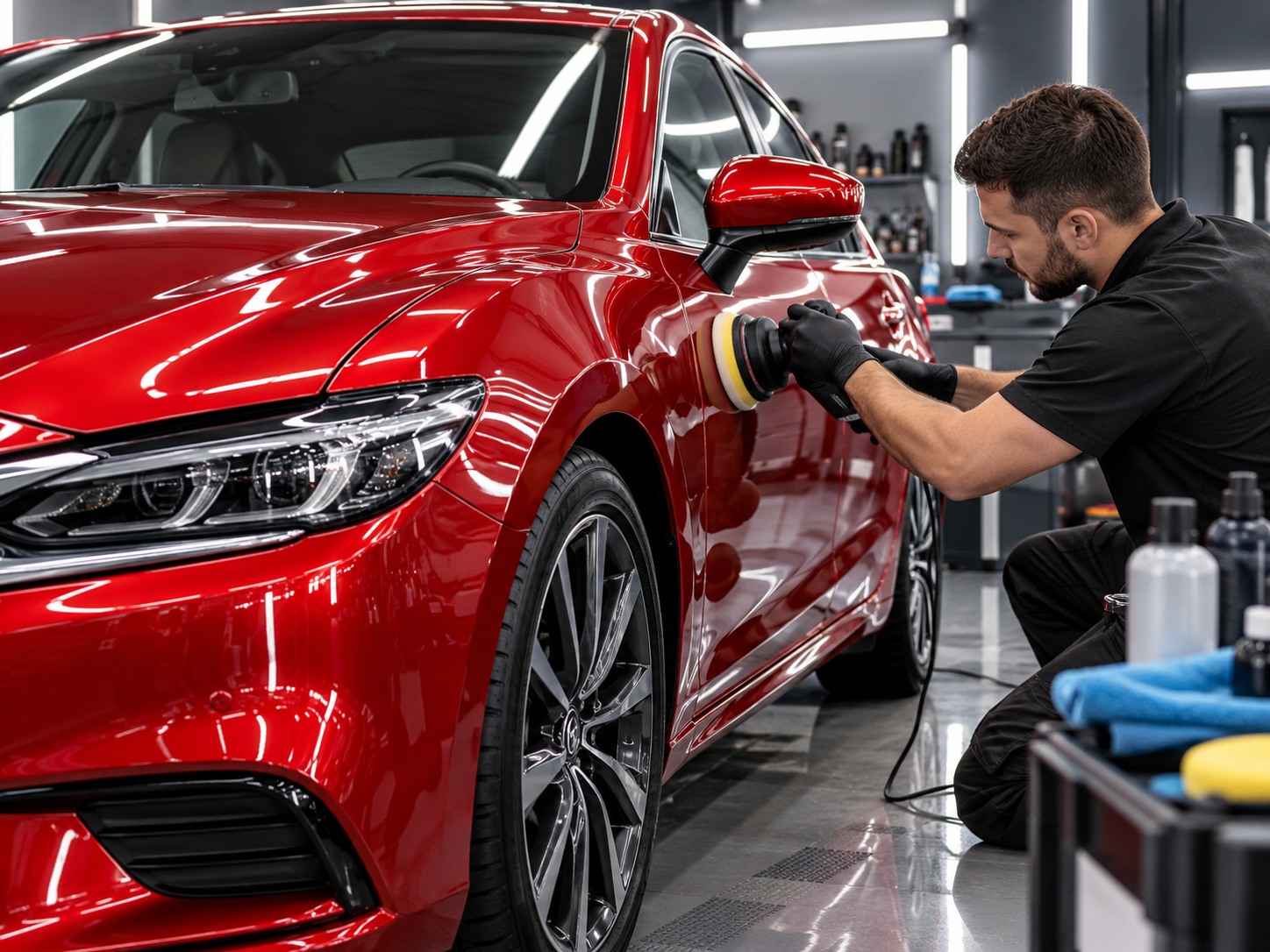
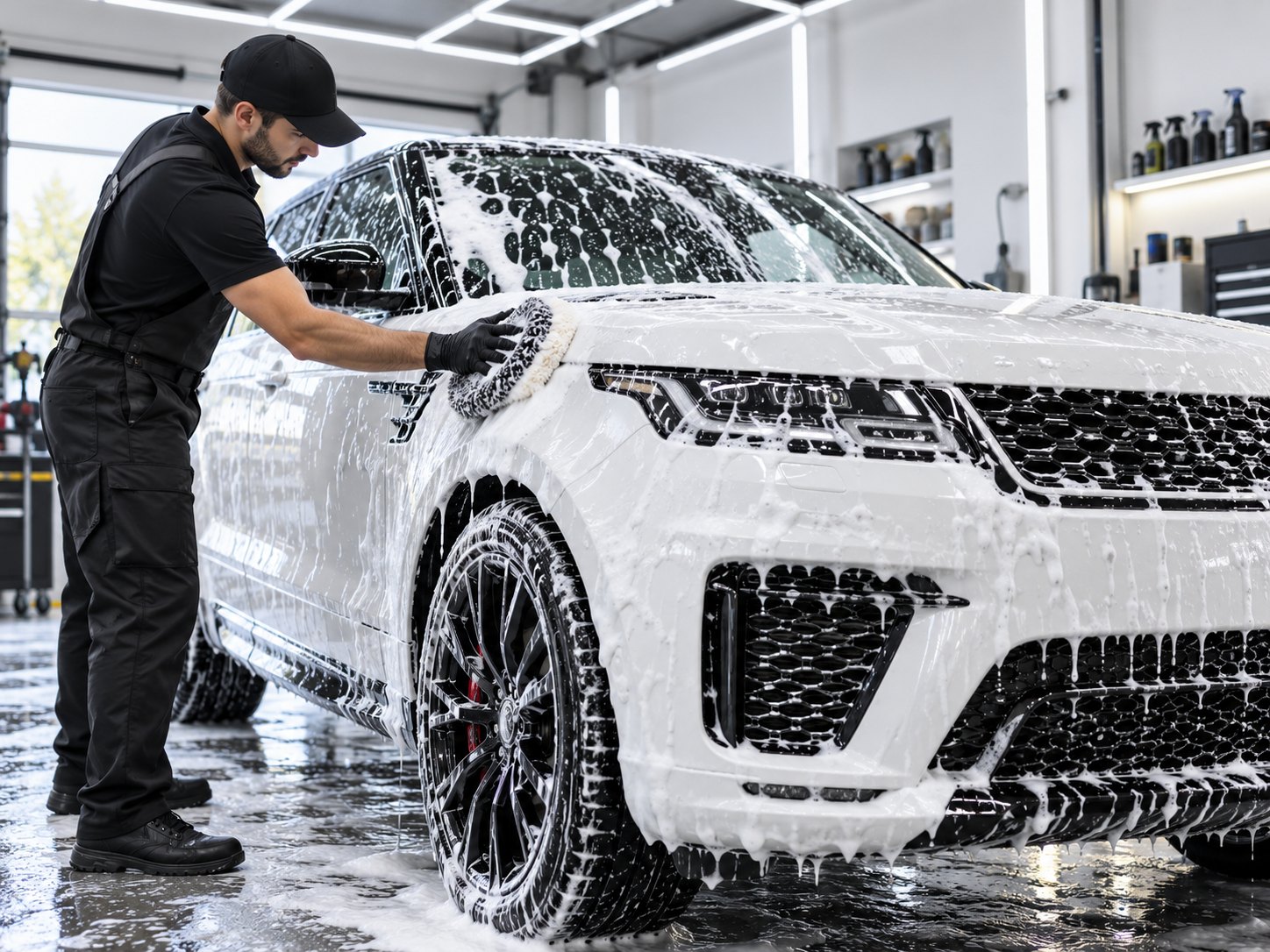
A ceramic coating works by forming a chemical bond with the clear coat, the thin protective layer over a vehicle's color. That bond can only form against a clean, decontaminated surface. If bonded contaminants, iron brake dust, industrial fallout, tree sap, remain on the paint when the coating goes on, they get sealed underneath it, where they stay locked against the finish and can leave the coating uneven or short-lived. This is why a proper coating job always begins with car detailing: a hand wash, clay bar decontamination to pull those bonded contaminants, and surface prep so the coating meets clean paint.

Paint protection film follows the same logic. The film, a clear urethane layer sometimes called a clear bra, adheres to the paint, and anything trapped beneath it stays there for the life of the film. Decontaminating and preparing the surface first means the film bonds to clean paint and the finish underneath stays sound. The lesson across both is the same: the protection is only as good as the surface it goes onto, and car detailing is how that surface is made ready. Skipping it does not save money; it undermines the investment that follows.

Detailing and the Protective Layers Together

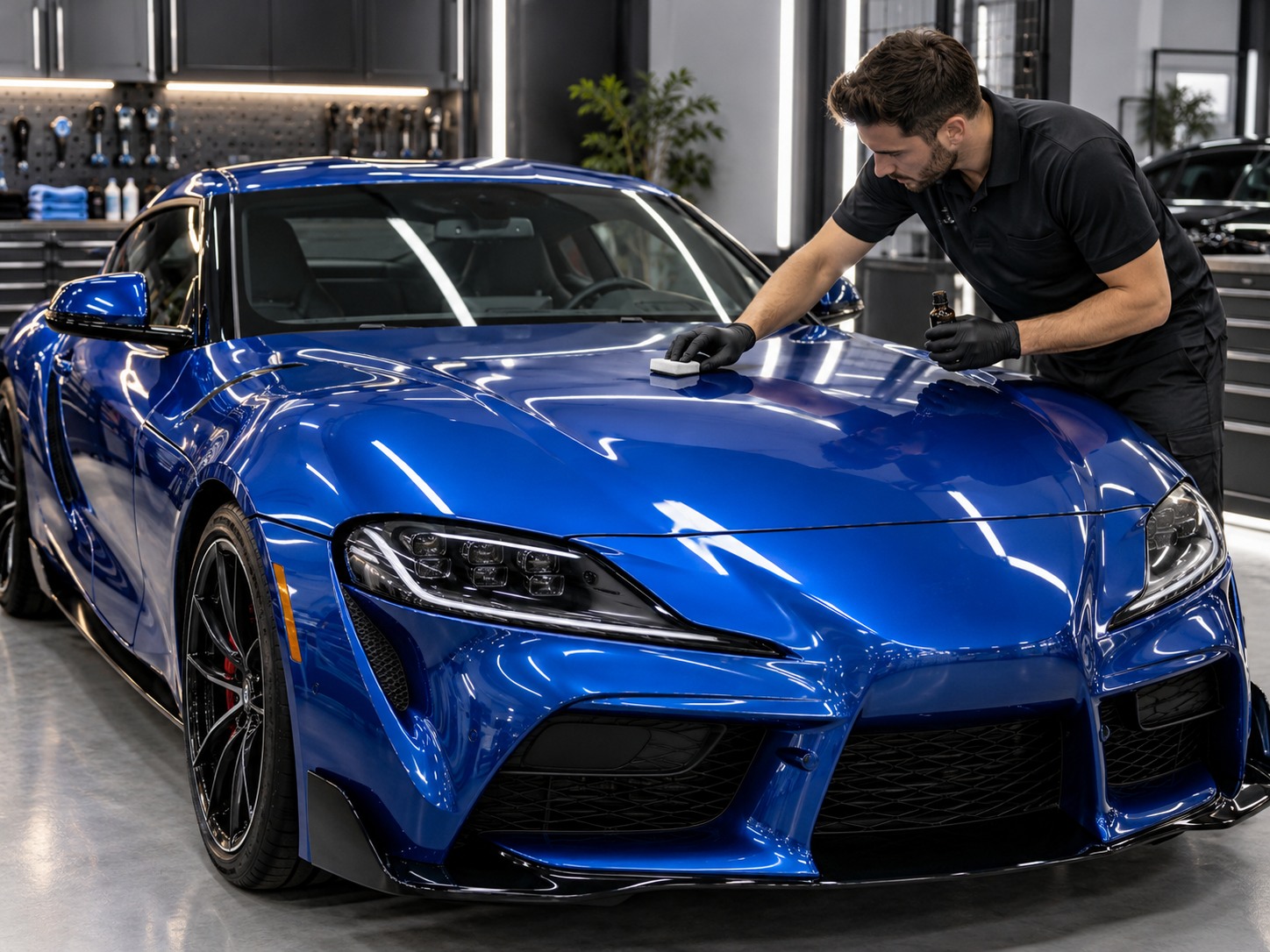
When detailing and protection happen together, each supports the other. A full detail restores and decontaminates the paint, then a ceramic coating locks in that clean, smooth surface with a hydrophobic layer that beads water and resists coming contamination, so the finish stays easier to keep clean. Paint protection film goes over the high-impact areas, the front bumper, hood, and mirrors, absorbing the rock chips that Kentucky and Indiana highways throw. The detail makes the surface right; the coating and film keep it that way. One without the other leaves a gap.

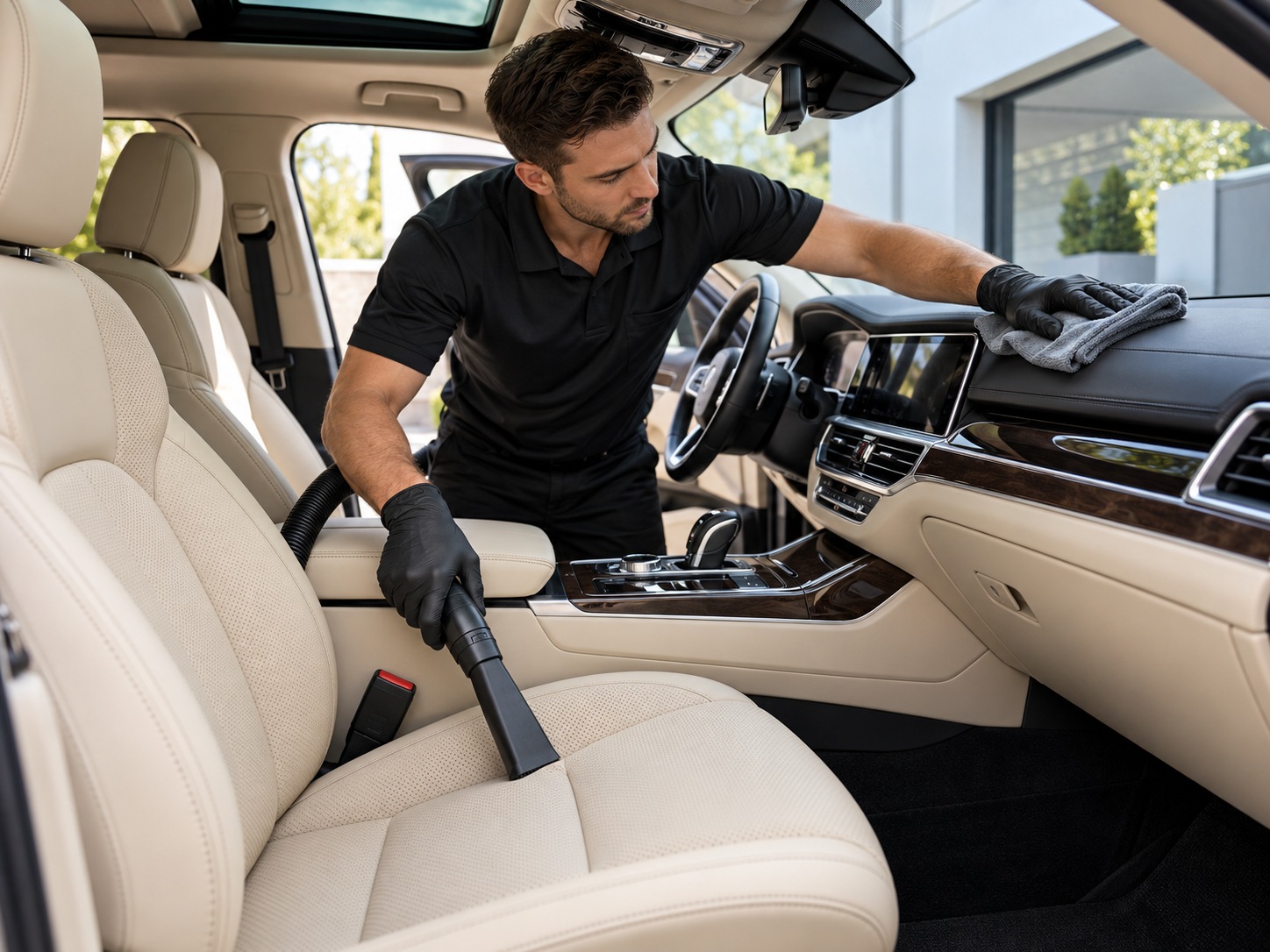
The interior and glass fit the same pattern. A detail cleans the cabin and the glass, and window tint adds heat and UV control that also protects the interior from the fading and cracking that sunlight drives. Because Sun Tint cleans interior glass with ammonia-free products, the tint adhesive is protected rather than degraded, so the detailing and the tint work together. Handling all of it in one visit means a vehicle leaves clean, protected, and comfortable, with each service reinforcing the next rather than being done in isolation at separate shops.

The One-Stop Advantage

Running a vehicle through separate shops for detailing, coating, film, and tint invites gaps. One shop's idea of surface prep may not match what the next shop's coating needs, and no one owns the whole result. Sun Tint's one-stop approach removes that handoff. The same trained team that details the vehicle also applies the ceramic coating, the paint protection film, or the tint, so the prep is matched to the protection and the vehicle is handled consistently from the first wash through the final layer. For the owner, that means one point of accountability for the entire outcome.

This matters most on the vehicles where the stakes are highest: luxury, exotic, and collector cars, and daily drivers their owners plan to keep for years. On those, the difference between protection applied over a properly detailed surface and protection rushed onto a contaminated one shows up over time, in how the finish holds and how long the coating or film performs. Sun Tint's over 40 years of vehicle care experience and in-shop control are what make the one-stop path a quality decision, not just a convenient one.
Coatings Bond to Clean Paint Only

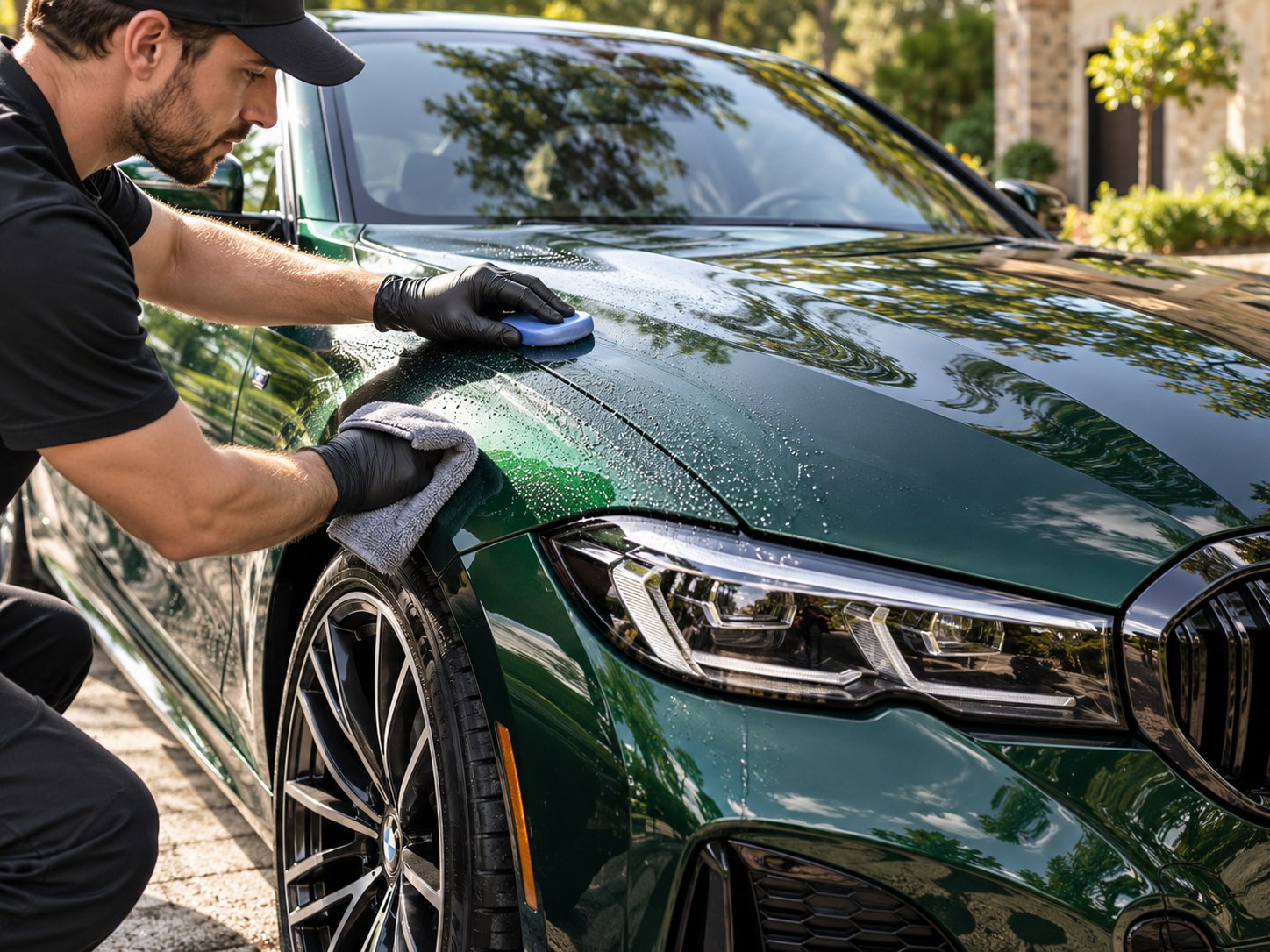
A ceramic coating forms a chemical bond with the clear coat, so it can only bond correctly to a decontaminated surface. Any bonded grime left on the paint becomes locked under the coating, which is why thorough clay bar decontamination is a required step before coating, not an optional one.

Ammonia Damages Tint Adhesive

Many common glass cleaners contain ammonia, which breaks down window tint adhesive and can cause film to haze, bubble, or peel over time. Ammonia-free cleaning protects tinted glass, which is why professional detailing uses ammonia-free products on windows.

PPF and Coating Do Different Jobs

Paint protection film and ceramic coating are not substitutes. The film is a thick urethane layer that absorbs physical impacts like rock chips, with a self-healing top layer, while a ceramic coating is a thin chemical layer that resists UV, stains, and contamination. Used together, they cover both physical and chemical threats.

Film, Coating, and What Each Does

Part of getting protection right is understanding that the options are not interchangeable. Paint protection film and ceramic coating do different jobs. The film is a thick, self-healing urethane layer that absorbs physical impacts, rock chips, light scratches, road debris, which makes it the choice for high-impact areas. A ceramic coating is a thin chemical layer that resists UV, stains, bird droppings, and contamination, and makes the surface easier to clean, but it does not stop a rock chip. The two are often used together, film on the impact zones and coating over the rest, so a vehicle is covered against both physical and chemical threats.

Window tint adds a third kind of protection, cutting solar heat and blocking the UV that fades interiors and ages skin on long drives. None of these replace car detailing; they build on it. The detail restores and prepares every surface, and then the owner chooses which protective layers fit the vehicle and how it is used. Sun Tint walks through those choices during a free quote, matching the protection to the car rather than selling a fixed bundle. Understanding what each layer does is how an owner spends on protection that actually fits.

Planning Protection Around the Vehicle

Because the protective layers do different jobs, the right combination depends on the vehicle and how it is driven in the Louisville area. A daily highway commuter that takes constant rock-chip exposure benefits most from paint protection film on the front-facing areas, paired with a ceramic coating over the rest and window tint for summer heat. A garage-kept weekend car may need only a ceramic coating to keep its finish easy to maintain. A family SUV that lives outside gains from tint and coating together. Car detailing prepares the surface in every case, and then the protection is chosen to fit the vehicle rather than sold as a fixed package.

This is where the free quote and the on-site assessment matter. Sun Tint looks at the actual vehicle, how it is used, and the owner's goals before recommending which protective layers fit, and shares transparent pricing before any work begins. There are no published per-vehicle figures because the honest number depends on the vehicle and the scope. For a Louisville owner, that means spending on the car detailing and protection that the vehicle genuinely needs, informed by over 40 years of experience, rather than a one-size answer.

Timing the Work in One Visit

Handling car detailing and protection in one visit is more efficient than spreading it across shops and weeks. Because the detail decontaminates and prepares the surface, and the coating, film, or tint goes on right afterward, there is no window for new contamination to settle between the prep and the protection. The vehicle is assessed, detailed, and protected by the same team in a controlled bay, then returned with care instructions. For a Louisville driver, that means one appointment and one accountable shop instead of coordinating a detailer, a coating installer, and a tint shop separately.

The in-shop setting is part of why this works. A dedicated bay offers the controlled lighting that reveals contamination and surface flaws, the equipment that proper decontamination and application require, and protection from the dust, pollen, and weather that would compromise a coating or tint applied outdoors. Sun Tint performs its detailing and protection work in-shop for exactly these reasons, which keeps the quality consistent from the first wash through the final protective layer.

One Team, One Standard

The value of one-stop vehicle care comes down to accountability. When the same team details the vehicle and applies the ceramic coating, paint protection film, or tint, there is a single standard across the whole job and a single point of responsibility for the result. No one can blame a coating problem on someone else's prep, because the same shop did both. For high-value vehicles and for owners who plan to keep a car for years, that continuity is worth as much as the convenience, because it is what makes the protection reliable.

Sun Tint built its approach around that idea, handling car detailing, ceramic coating, paint protection film, and window tinting under one roof with over 40 years of vehicle care experience behind it. For a Louisville owner, the result is a vehicle that moves from a deep, decontaminating detail into the protection that fits it, done by one team to one standard, rather than a series of partial jobs that never quite align.

It is worth adding that the order of operations is part of the quality. A detail before a coating is not an upsell; it is the preparation that lets the coating bond and perform as it should. The same is true before film and before fresh tint. When a shop treats detailing as the foundation and the protective layers as what builds on it, the finished result holds up the way an owner expects. Sun Tint follows that order on every vehicle, which is why its one-stop car detailing and protection work is a quality decision as much as a convenient one for drivers across the Louisville area and the broader Kentucky and Southern Indiana region. An owner who understands that sequence spends on protection that actually holds, rather than on a coating or film that was rushed onto a surface it could never properly bond to, which is the difference a prepared foundation makes over the life of the vehicle.

Starting With a Detail at Sun Tint

Whether the goal is a ceramic coating, paint protection film, window tint, or simply a vehicle restored inside and out, car detailing is where it starts, because every protective layer performs best on a decontaminated, properly prepared surface. Sun Tint handles detailing, coatings, film, and tint in-shop under one roof across Kentucky and Southern Indiana, with over 40 years of experience and one accountable team from the first wash through the final layer. To plan a detail and the protection that fits a vehicle, and to get a free quote, visit www.sun-tint.com/car-detailing or call (502) 254-0001.

Redirect to:


A full car detail covers the exterior and the interior. Outside, that means a hand wash, clay bar decontamination to pull embedded grime from the clear coat, wheel and tire cleaning, and a wax or sealant. Inside, it means a full vacuum, hot water extraction of carpets, leather cleaning, hard surface wipe-down, glass, and odor treatment. Sun Tint tailors the work to the vehicle during a free quote.
A car wash removes loose surface dirt. Car detailing goes much deeper, using clay bar decontamination to lift bonded contaminants a wash leaves behind, polishing and protecting the paint, and deep cleaning the interior down to the carpet backing and leather. The difference shows in a finish that looks and feels restored rather than only rinsed.
Most daily drivers in the Louisville area benefit from a full detail two to four times a year, with the heaviest need after winter road salt and after heavy pollen. Vehicles that sit outside, carry pets, or see highway miles need it more often. Sun Tint can suggest an interval during a free quote based on how a vehicle is used.